

The energy transition requires effective concepts for energy storage, as renewable energy sources such as solar and wind are not continuously available. Therefore, a reliable energy supply is not possible without suitable storage solutions.
Lithium-ion batteries have established themselves as the best available battery solution due to their high energy density, long lifespan, low self-discharge, and fast charging capability.
Tailored metallographic preparation is essential for better understanding and further developing the materials and structures of these batteries. It provides detailed insights into the microstructure, material composition, and quality of the individual components and joints, contributing to the optimization of lithium-ion batteries.
Metallography / Materialography
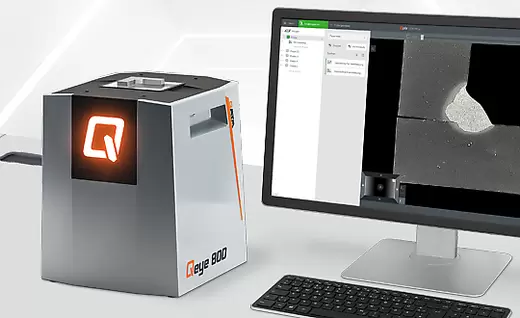
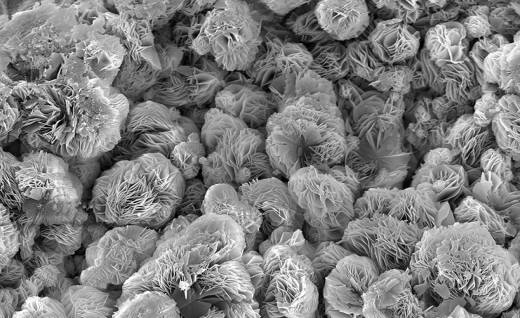
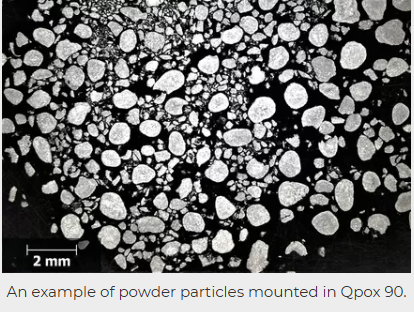
Lithium metal oxide particles undergo metallographic preparation and are examined using light microscopy and scanning electron microscopy (SEM) with an EDX detector to determine their size and chemical composition.
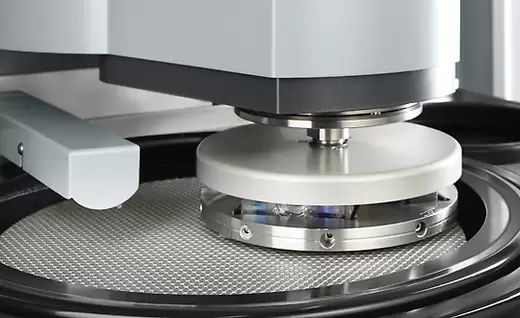
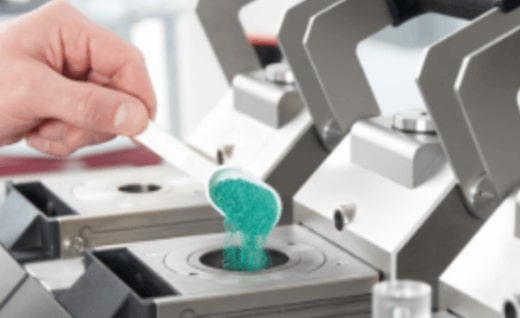
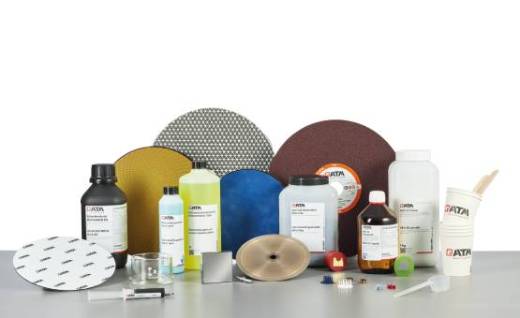
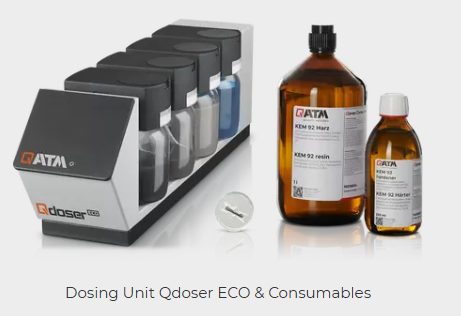
QATM’s epoxy-based cold mounting materials (Qpox 90 and Qpox 92) enable the embedding of oxide particle powders without creating gaps, making them ready for grinding and polishing. With a wide range of polishing cloths and diamond suspensions, various types of lithium metal oxide particles can be effectively prepared. The Qdoser system provides automated dosing for both polishing and fine polishing steps.
Key Points:
Applications: Research & Quality control
Cutting of Lithium-Ion Batteries
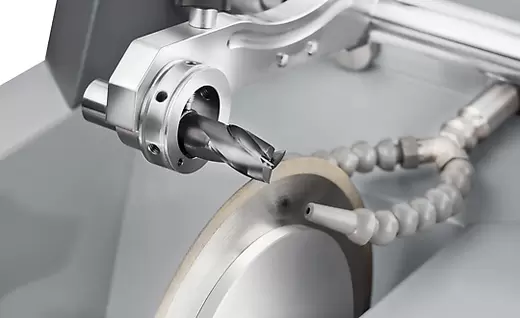
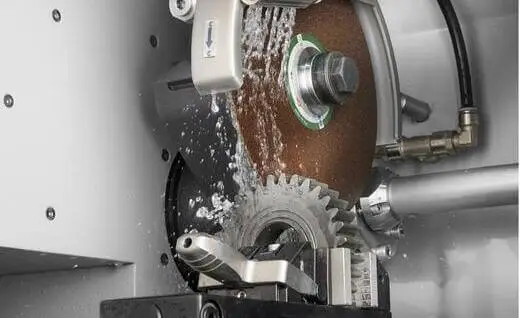
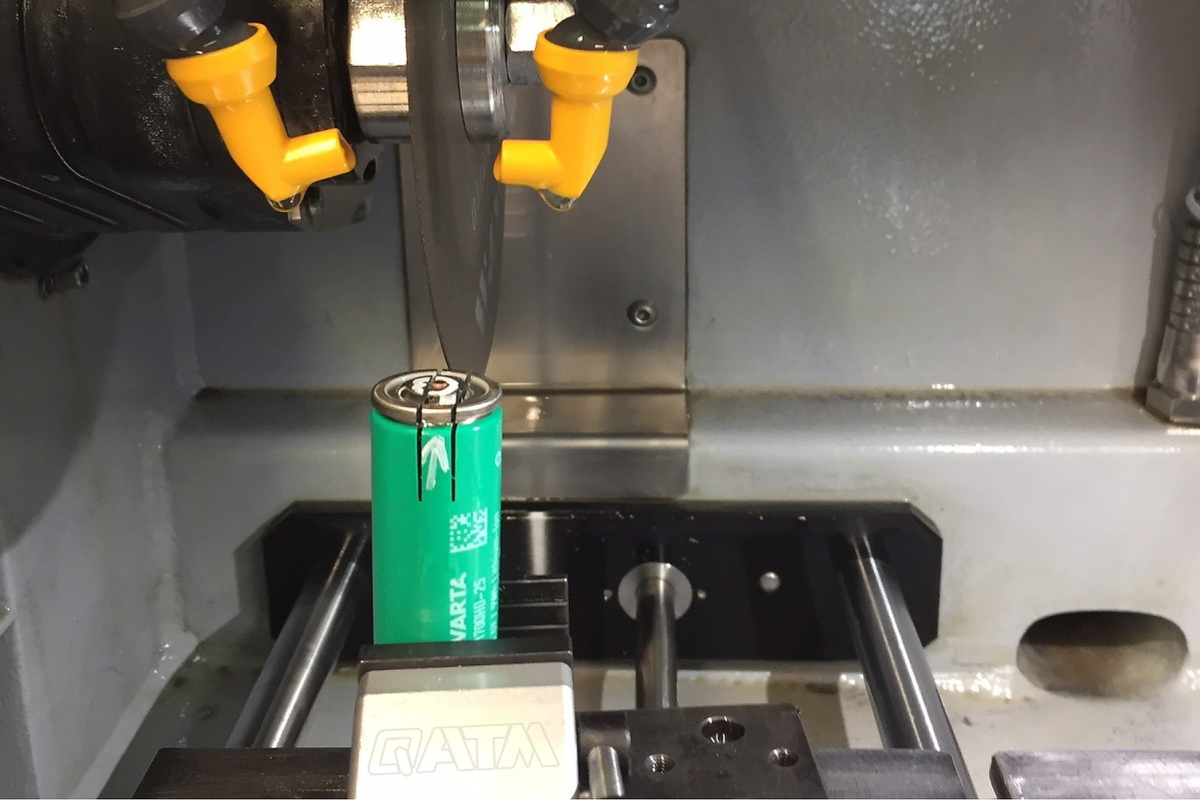
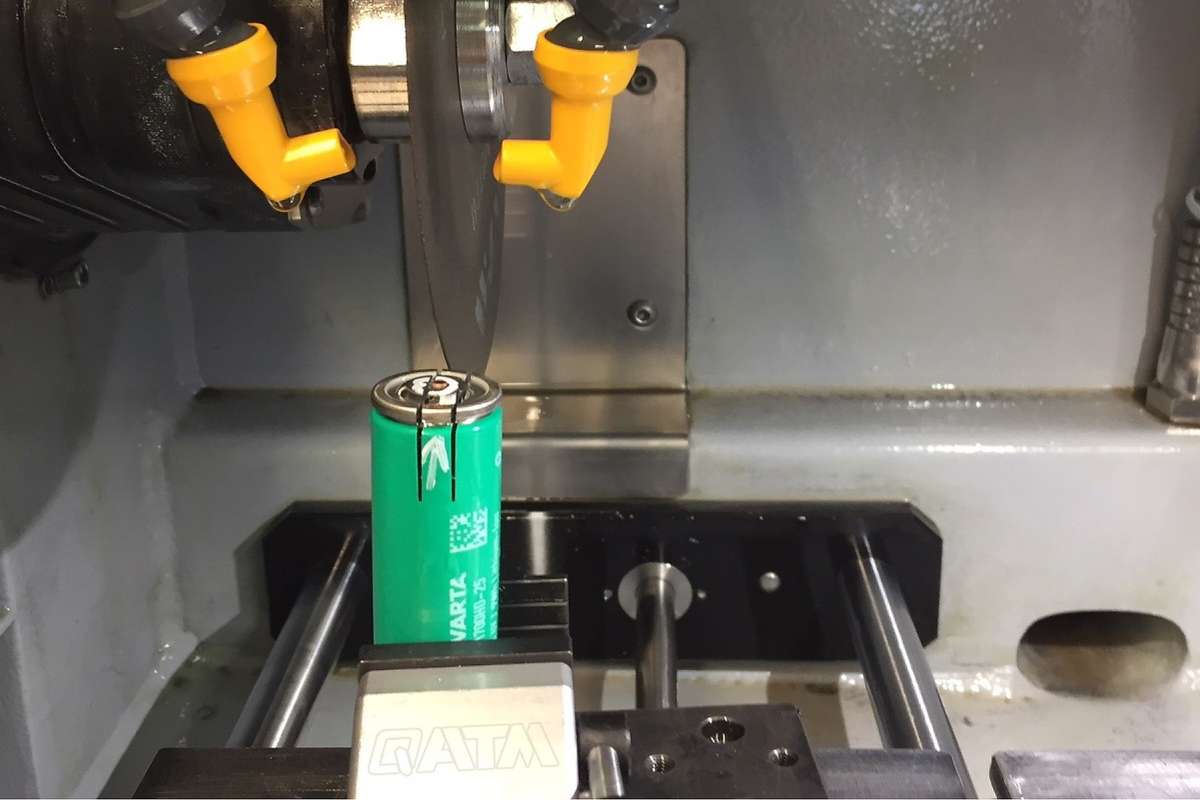
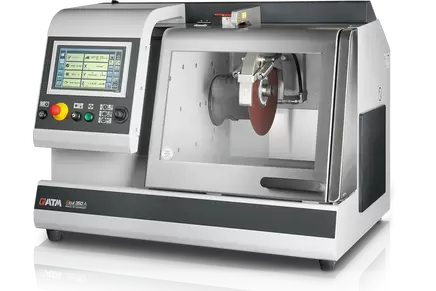
The method for cutting lithium-ion batteries (LIBs) depends on the intended analysis. Cut-off machines can be used to section the battery casing to extract the entire jelly roll, or to cut the complete battery including casing and electrodes. For smaller tasks, such as sectioning just the electrode foils, a scalpel is sufficient.
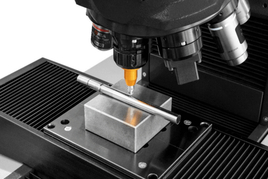
A rotating clamping tool is employed to hold the battery casing securely while removing the jelly roll. QATM cut-off machines provide a variety of clamping tools suitable for sectioning whole batteries. The image below illustrates a typical LIB cutting procedure.
Key Points:
Applications: Research & Quality control
Mounting of Lithium-Ion Batteries
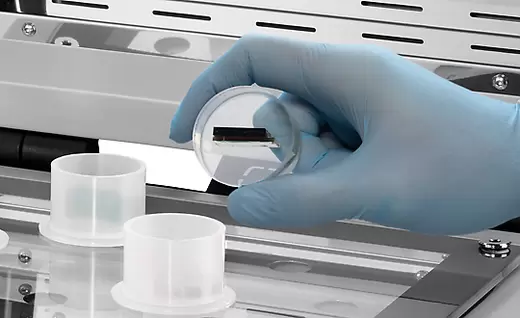
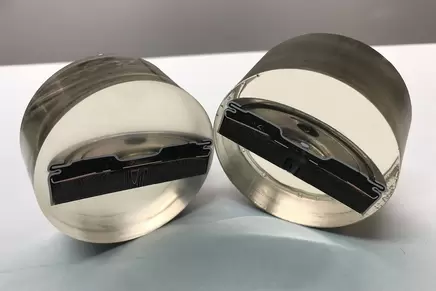
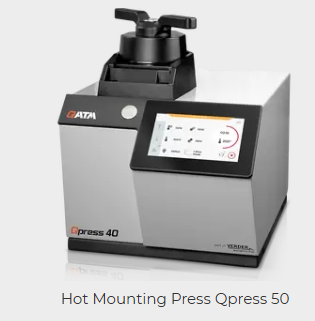
Mounting lithium-ion batteries requires different approaches depending on the component. Battery casings and spot welds can sometimes be hot mounted, whereas electrodes must be cold mounted because they are sensitive to heat and pressure. Mounting can be performed either before cutting, to keep foils and other components intact, or after cutting, to prepare the sample for grinding and polishing.
To avoid gaps between the sample and mounting material during cold mounting, it is recommended to use materials with low shrinkage and low polymerization temperatures. For LIB samples, QATM epoxy-based cold mounting materials Qpox 90 and Qpox 92 are ideal, offering low polymerization temperatures (60°C and 35°C respectively) and minimal gap formation.
Key Points:
Applications: Research & Quality control
Grinding and Polishing of Lithium-Ion Batteries
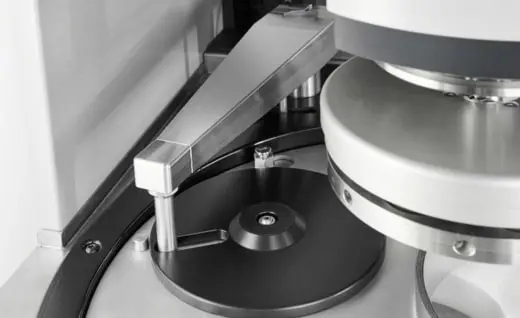
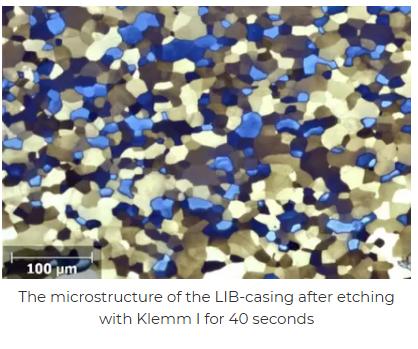
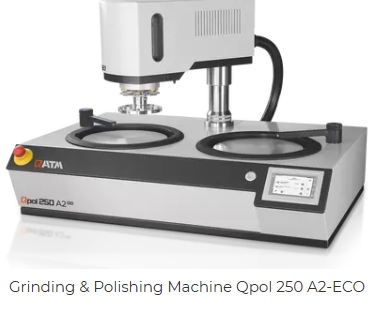
Grinding and polishing of LIBs can be performed on different components depending on the analysis. In some cases, battery casing is prepared for examination using light microscopy or SEM (including EBSD detectors), while in other cases, electrodes or spot welds are the focus. The battery cap is often made of low-carbon steel with a nickel coating. The image shows an LIB cap after 1 μm polishing and etching with Klemm I.
For powering certain devices, large battery packs composed of multiple lithium-ion cells in parallel-series configurations are necessary. Ensuring strong and defect-free spot welds is critical in industries such as aerospace. The electrodes are also key components: the anode usually consists of a copper foil coated on one or both sides with graphite, and the cathode is often an aluminum foil coated on one or both sides with metal oxide particles, such as LiNiMnCoO₂.
Key Points:
Applications: Research , Quality control & Production
At Applied Laboratory and Engineering Solutions-AppLES, we support research laboratories and industrial partners with advanced metallographic solutions for battery analysis and materials characterization. Through collaboration with leading manufacturers such as QATM, we provide high-quality equipment, consumables and technical expertise that help researchers and industry professionals achieve reliable and reproducible results in battery development and quality control.

10, Agion Anargiron Str.
Marousi Attica, 151 24
Greece

Η Διοίκηση της Applied Laboratory & Engineering Solutions έχει καθορίσει και τεκμηριώσει την πολιτική της για την ποιότητα, βασισμένη στην εφαρμογή Συστήματος Διαχείρισης Ποιότητας κατά το διεθνές πρότυπο ISO 9001:2015 για τη δραστηριότητα της:
ΕΜΠΟΡΙΑ ΕΠΙΣΤΗΜΟΝΙΚΩΝ ΟΡΓΑΝΩΝ ΚΑΙ ΕΞΟΠΛΙΣΜΟΥ
Η Διοίκηση εξασφαλίζει ότι αυτή η Πολιτική Ποιότητας είναι κατανοητή, εφαρμόζεται και διατηρείται σε όλα τα επίπεδα.
Όραμα της Επιχείρησης είναι η αύξηση του μεριδίου της αγοράς και η ισχυροποίηση της ανταγωνιστικότητάς της προσφέροντας υψηλής ποιότητας προϊόντα.
Φιλοσοφία της Applied Laboratory & Engineering Solutions είναι:
Γενικές κατευθυντήριες οδηγίες:
Αθήνα, 12 – 09 – 2022
Η Γενική Διευθύντρια
Μαρία Λογοθέτη
The Management of Applied Laboratory & Engineering Solutions has defined and documented its quality policy, based on the implementation of a Quality Management System according to the international standard ISO 9001:2015 for its activities:
TRADE OF SCIENTIFIC INSTRUMENTS AND EQUIPMENT
Management ensures that this Quality Policy is understood, applied, and maintained at all levels.
The company’s vision is to increase its market share and strengthen its competitiveness by offering high-quality products.
The philosophy of Applied Laboratory & Engineering Solutions is:
General Guidelines:
Athens, 12 – 09 – 2022
The Director
Maria Logotheti